


Flooded Basement Cleanup in Lincoln Park, Michigan
Water in your basement needs more than a quick pump-out. Our team removes standing water, checks where moisture traveled, and starts a controlled drying plan for homeowners, landlords, property managers, and commercial property owners in Lincoln Park. We help with burst pipes, appliance leaks, sump pump failures, roof leaks, heavy rain, snowmelt, and sewer backups.
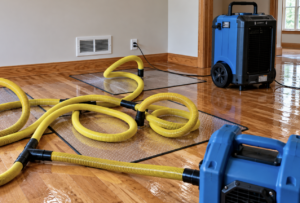
Basement water often reaches carpet, pad, flooring, drywall, insulation, baseboards, cabinets, framing, and stored contents. We use moisture readings and visible inspection to separate materials that can dry in place from materials that need removal. You receive clear updates as extraction, drying, cleaning, and repair planning progress.
We begin by locating the water source and assessing the basement and connected rooms. The inspection includes visible damage, hidden moisture, electrical risks, contents, and the path water took through the property. Source control is included in the restoration plan when it falls within our work.
Keep people and pets away from standing water, especially if it has reached outlets, appliances, wiring, or electrical equipment. Do not enter water that may be contaminated by a sewer backup. Once the area is safe to inspect, our IICRC-certified technicians identify the source, document the affected rooms, and explain the work before cleanup moves forward.
Need Restoration Help in Lincoln Park? Call (313) 210-1070
How We Handle a Flooded Basement
Next, extraction equipment removes standing water from carpet, flooring, and other wet surfaces. Moisture meters help us find damp areas below floors and inside walls. Thermal imaging supports the inspection of hidden moisture. Air movers and dehumidifiers then support structural drying.
Our technicians monitor the drying area instead of relying on how the surfaces look. We record moisture readings, clean salvageable contents and surfaces, and explain any material removal. After the structure is stable, we outline repair work for drywall, insulation, baseboards, cabinets, flooring, or subflooring.
Commercial Flooded Basement Cleanup
Commercial basements often contain tenant areas, shared systems, inventory, equipment, and busy access points. Our crew plans equipment placement and work zones around occupants and unaffected areas. For offices, retail spaces, warehouses, and industrial buildings, we document affected rooms, moisture readings, contents, and completed work so property owners and managers have a clear record while operations are being planned.
Basement Water Risks in Lincoln Park
Lincoln Park has many detached homes with lower levels, compact lots, aging plumbing, and sump systems. Older finished basements can hide moisture behind trim, walls, cabinets, or flooring. Our inspection follows the water path through nearby rooms instead of stopping at the first visible stain.
Commercial properties near Fort Street, Southfield Road, Dix Highway, and downtown Lincoln Park may need careful parking, equipment staging, and access planning. Industrial spaces also have larger floor areas, stored materials, and electrical equipment that require controlled drying. We build the work area around those property conditions.
Serving Lincoln Park and Nearby Communities
We serve property owners in Lincoln Park and nearby communities including Allen Park, Melvindale, Ecorse, Southgate, and Wyandotte. If a loss also includes fire or smoke damage, our fire damage cleanup team can address affected structure and contents. For mold concerns connected to damp building materials, our mold removal service provides focused cleanup and remediation.
For immediate help with water damage in Lincoln Park, call (313) 210-1070 to discuss what happened and the next steps for your property.
Water Damage Cleanup Pricing
Flooded basement cleanup costs depend on the water source, affected materials, access, and drying needs. Our team can assess the loss and explain the work involved before restoration proceeds.
- Small water loss: $1,000–$3,000
- Moderate water loss: $3,500–$7,500
- Large water loss: $7,500–$15,000+
These prices are general reference points and are not a quote or estimate for a specific property. Actual restoration costs depend on the source and category of water, affected square footage, materials involved, length of exposure, equipment needs, demolition, cleaning, drying time, and repairs. A complete price estimate requires an onsite inspection because the final scope depends on the actual conditions at the property.
Frequently Asked Questions
What should I do first after my basement floods?
Keep people and pets away from the water and avoid areas near electrical equipment. If the water may be contaminated, do not enter it. Once the area is safe, our team can identify the source, remove standing water, and begin the drying plan.
How do you find moisture that I cannot see?
We use moisture meters to check building materials below surfaces and inside walls. Thermal imaging also supports the inspection of hidden moisture. These readings help guide equipment placement and material decisions.
Can carpet and flooring be saved after basement flooding?
Some materials can be cleaned and dried, while others need removal. Our technicians inspect the material, its condition, the type of water involved, and the moisture underneath before explaining the next step.
How long does flooded basement drying take?
Drying time depends on the amount of water, the materials affected, airflow, humidity, and hidden moisture. We monitor readings during the process and explain progress instead of relying on surface appearance.
Do you handle commercial flooded basements?
Yes. We work with commercial property owners and managers on access, occupant safety, equipment placement, affected contents, and documentation. The work plan accounts for tenant areas, shared systems, inventory, and operating needs.
What happens after water extraction?
We continue with moisture monitoring, controlled structural drying, cleaning of salvageable surfaces and contents, and repair planning. We explain remaining work for materials such as drywall, insulation, baseboards, cabinets, flooring, and subflooring.